
Shedd Aquarium Researcher Receives Biota Award from Walder Foundation
The Shedd Aquarium recently announced that one of its researchers, Trinity Conn, Ph.D., was one of six Chicago-based conservation and biodiversity recipient scientists of the Skokie-based Walder Foundation Biota Award. This year’s recipients will share over $1.4 million in funding to advance research and solutions aimed at understanding, protecting, and restoring the unique and diverse ecosystems in Chicago and around the world.
Now in its fourth year, Walder Foundation’s Biota Awards continue to advance the careers and opportunities of biodiversity and conservation researchers in Chicago. In previous years, the program focused on providing support for early career independent investigators. This year, for the first time, the Biota Awards sought to support the work of exceptional postdoctoral scientists to enhance the pipeline for biodiversity research by attracting and retaining talented scientists in Chicago and providing opportunities for them to pursue action-oriented research when other sources of funding may be lacking.
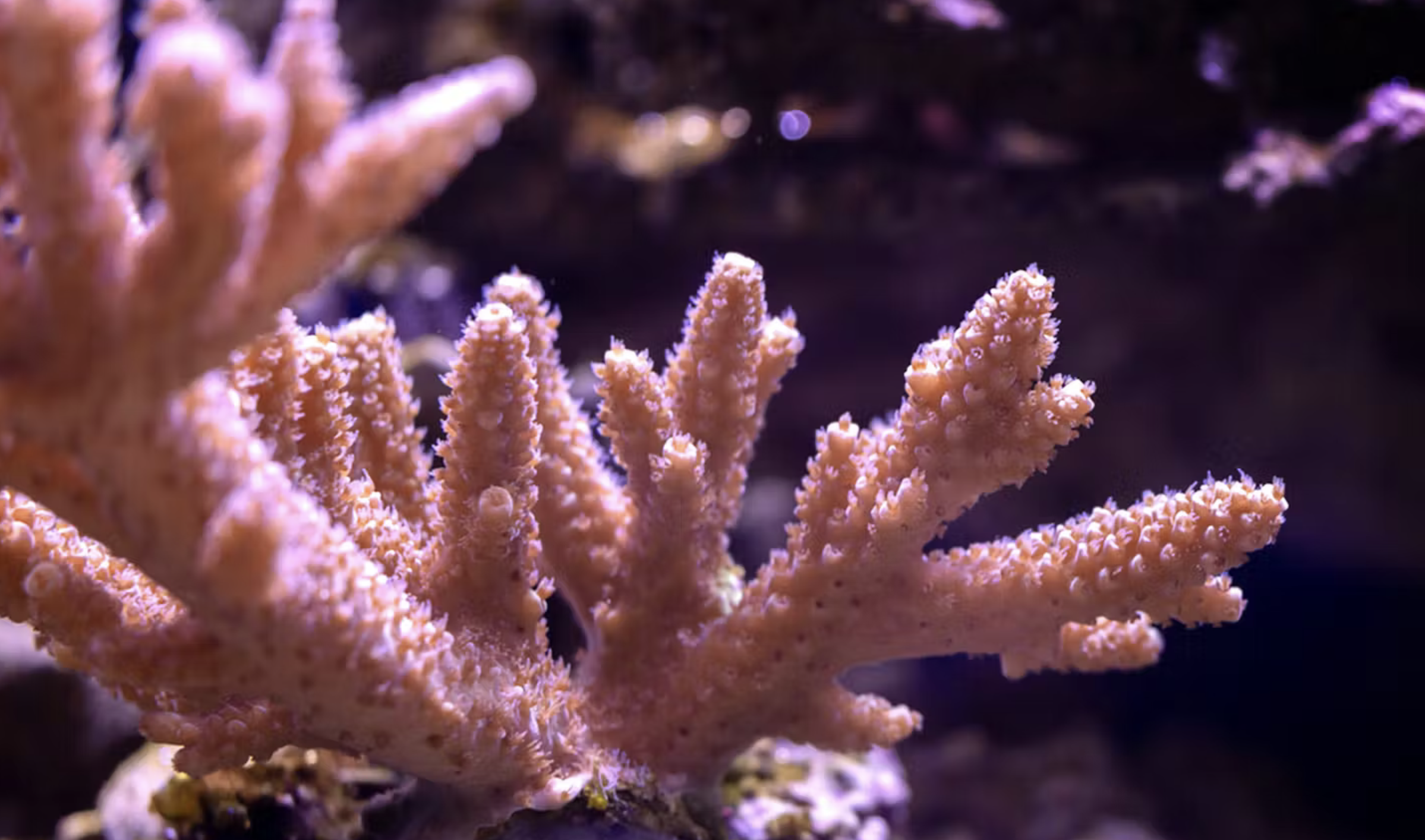
Trinity Conn is a postdoctoral fellow at the Shedd Aquarium in their conservation research department. She completed her Ph.D. in biology at the Pennsylvania State University in 2024. Conn’s Leveraging Genomics to Restore Climate-Resilient Reefs research focuses on how the genomes of reef-building corals evolve over time and how they may respond to environmental change. Trinity’s research combines laboratory, field, and computational methods to detect genomic signals of adaptation in reef-building corals in the Caribbean and the tropical Pacific and to identify potentially novel sources of inter- and intra-colonial genetic variation. This work can then be applied to improve coral reef conservation and restoration efforts.
Four of the six awardees are currently based at institutions across the United States and Europe. These awards have enabled them to move to Chicago to assume positions at local institutions, adding crucial research capacity and expertise.
“Protecting and enhancing biodiversity is essential to the health of our planet and our communities, including here in Chicago,” said Elizabeth Walder, CEO of Walder Foundation. “In order to better protect biodiversity, we must attract and retain the highest caliber of research scientists. Through the Biota Awards program, more scientists are advancing knowledge and contributing to resilient ecosystems in Chicago and beyond. Their efforts will help shape a more sustainable future for all.”
In addition to Trinity Conn, Ph.D., the 2025 Biota Award recipients included: Grace Burgin, Ph.D., Leveraging Mating System Theory for Targeted Conservation of Endangered Prairie Wildflower, University of Illinois Chicago; Opale Coutant, Ph.D., From Seasonal Biodiversity Distribution Patterns to Local Ecological Knowledge: A Multiscale Investigation to Enhance Freshwater Conservation Planning in Guyana, Field Museum of Natural History; Amanda Grunwald, Ph.D., From Museum Collections to Conservation: Uncovering Climate-Driven Shifts in Tropical Montane Bat Communities, Field Museum of Natural History; Miguel Jimenez, Ph.D., Linking Avian Migratory Stopover to Legacies of Urban Inequity, Lincoln Park Zoo; and Nicholas Medina, Ph.D., Roots of Equity: Uncovering Soil Biodiversity to Support Urban Tree Health in Chicago, The Morton Arboretum.
“This year’s Biota Award recipients are tackling an impressive range of urgent threats to biodiversity,” said Jack Westwood, senior program director for environmental sustainability at Walder Foundation. “Whether it’s conserving threatened species in our region’s prairies or investigating climate resiliency in globally-significant aquatic ecosystems, or investigating biodiversity and its links to decades of social inequities in urban environments, these early-career scientists are leading innovative research and driving real-world solutions to protect our natural ecosystems.”
The 2025 award recipients will be recognized at a celebration in the fall hosted by Walder Foundation. To learn more about their respective research projects, please visit biotawards.org
Applications for the 2026 Biota Awards opened in June 2025 and will again support postdocs. For additional information visit walderfoundation.org.


